
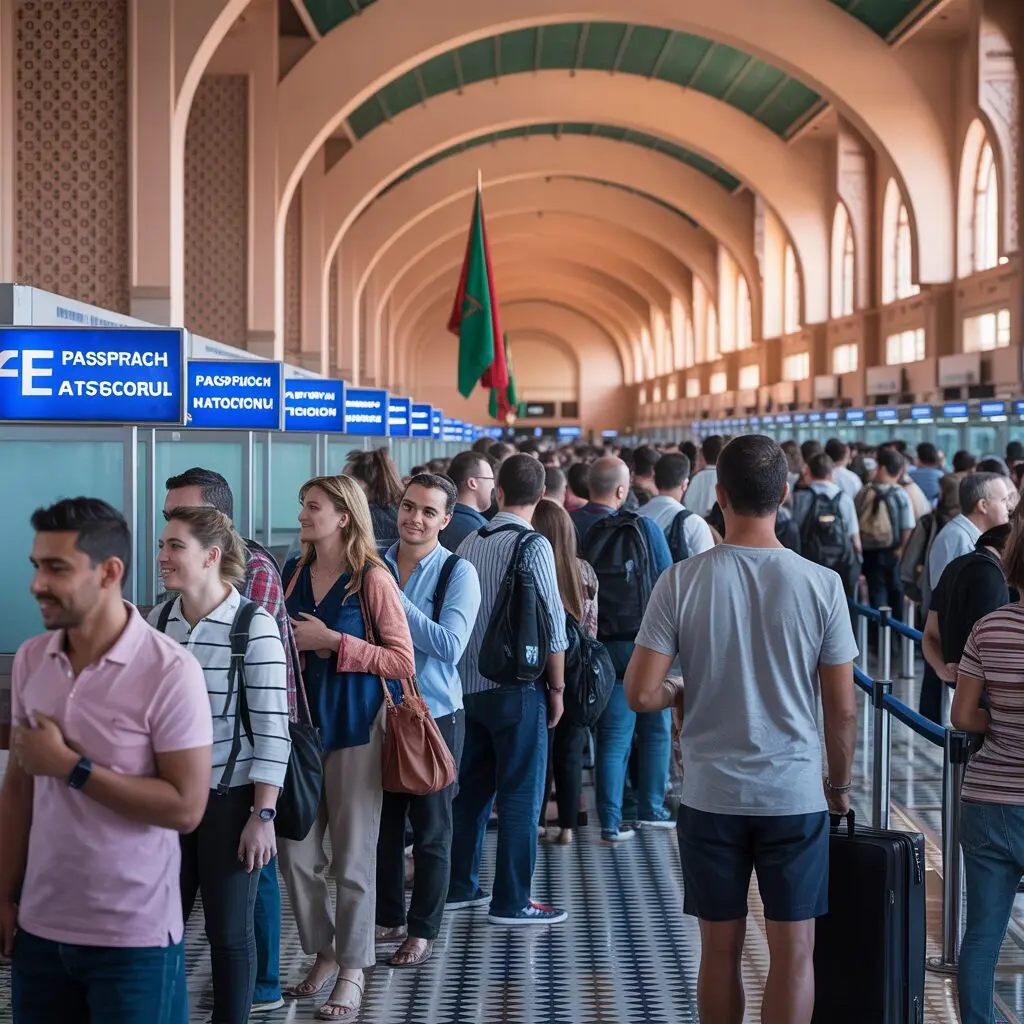
Morocco Visa on Arrival 2026: What You Need to Know
Many travelers wonder whether Morocco offers a visa on arrival – the ability to obtain a visa stamp or entry authorization directly at the airport or border crossing upon arrival. This page clarifies Morocco’s visa-on-arrival policy and explains what travelers from different countries should do.
The short answer: Morocco does not offer a traditional visa on arrival for most nationalities. However, the reality is more nuanced – and actually better than it sounds for most travelers.
Does Morocco Offer Visa on Arrival?
Officially, Morocco does not have a standard visa-on-arrival program for most nationalities. Unlike some countries (e.g., Thailand or Egypt), you cannot generally arrive at a Moroccan airport or border without a visa (if your nationality requires one) and obtain one there.
However, there are two important scenarios where travelers can arrive in Morocco without advance visa arrangements:
1. Visa-Free Entry (No Visa Needed at All)
Citizens of over 60 countries – including the US, UK, EU, Canada, Australia, Japan, and many others – do not need any visa to enter Morocco. They simply arrive and are admitted for up to 90 days without any stamp, sticker, or fee. This is often confused with “visa on arrival” but it is actually visa-free access.
If you’re from one of these countries, check our Morocco eVisa Eligible Countries page to confirm. For US citizens specifically, see our Morocco eVisa for US Citizens page.
2. Pre-Approved eVisa
Some nationalities can obtain a Morocco eVisa (Electronic Travel Authorization) online before traveling. This is not a visa on arrival – it must be applied for and approved in advance (usually 3-5 business days). See our How to Apply for Morocco eVisa guide.
Countries That Can Enter Morocco Without Advance Visa
The following regions and nationalities enjoy automatic, visa-free access to Morocco:
- North America: United States, Canada
- European Union: All 27 EU member states
- United Kingdom
- Oceania: Australia, New Zealand
- East Asia: Japan, South Korea, Singapore
- Selected other countries: Brazil, Argentina, Chile, Mexico, Turkey, UAE, Russia, and others
Citizens of these countries are NOT receiving a “visa on arrival” – they are entering Morocco using their visa-free access right, which requires no application, no fee, and no advance permission.
What About Nationalities That Require a Visa?
If your nationality requires a Morocco visa and you are not eligible for the online eVisa, you must obtain your visa before traveling. Attempting to arrive without a visa may result in:
- Denial of boarding by your airline (airlines check passport requirements before departure)
- Detention at the Moroccan border until a return flight is arranged
- Deportation at your own expense
Do not assume Morocco will issue a visa at the border – most nationalities requiring visas must apply in advance through a Moroccan embassy or use the eVisa system if eligible.
Morocco Transit: What If I Have a Layover?
If you have a layover in Morocco and need to leave the airport transit zone, you may need a transit visa depending on your nationality. Travelers from visa-exempt countries can transit freely. Those from visa-required countries may need a Morocco Transit Visa, valid for up to 72 hours.
If you are only transiting airside (staying inside the secure area without passing through immigration), no visa is required regardless of nationality.
Entry at Different Moroccan Ports
Morocco has multiple international entry points:
Airports (Main International)
- Casablanca Mohammed V International Airport (CMN)
- Marrakech Menara Airport (RAK)
- Agadir Al Massira Airport (AGA)
- Fes Sais Airport (FEZ)
- Tangier Ibn Battouta Airport (TNG)
- Rabat-Sale Airport (RBA)
- Ouarzazate Airport (OZZ)
Seaports
- Port of Tangier (ferries from Spain)
- Port of Casablanca
- Port of Agadir
Land Border Crossings (with Spanish Enclaves)
- Beni Enzar (border with Melilla)
- Tarajal (border with Ceuta)
The same visa rules apply regardless of which port of entry you use. There is no special “visa on arrival” available at any of these locations for countries that require advance visas.
What Documents to Carry When Arriving in Morocco
Whether you are entering visa-free or with an approved eVisa, have these ready:
- Valid passport (with sufficient validity)
- Approved Morocco eVisa (printed) – if applicable to your nationality
- Return or onward flight ticket
- Hotel booking or accommodation address
- Proof of sufficient funds
Frequently Asked Questions About Morocco Visa on Arrival
Can I get a Morocco visa on arrival at Casablanca airport?
No. Morocco does not offer visas on arrival at Casablanca or any other airport. If your nationality requires a visa to enter Morocco, you must obtain it before traveling – either through the online eVisa system (if your country is eligible) or at a Moroccan embassy/consulate. Citizens of visa-exempt countries (US, UK, EU, etc.) do not need any visa and can enter freely.
What happens if I arrive in Morocco without a required visa?
If your nationality requires a visa and you arrive without one, you will be refused entry by Moroccan border authorities and placed on the next available return flight at your own expense. Your airline may also be fined for transporting you without proper documentation.
Is there a difference between visa on arrival and visa-free entry in Morocco?
Yes, there is an important distinction. Visa-free entry means citizens of certain countries can enter Morocco without ANY visa – no fee, no application, no stamp needed (beyond the entry stamp in their passport). Visa on arrival means travelers obtain a visa document or stamp upon arriving, typically paying a fee at the border. Morocco offers visa-free entry for 60+ nationalities but does not offer a general visa-on-arrival service.
Do I need a return ticket to enter Morocco?
Officially, you should have a return or onward ticket showing you plan to leave within your allowed stay period. In practice, this is not always checked for visa-free nationals, but it is advisable to have one. Border officers can legally deny entry if you cannot demonstrate intent to leave.