Is Morocco Safe to Visit in 2026? Visa and Travel Safety Guide
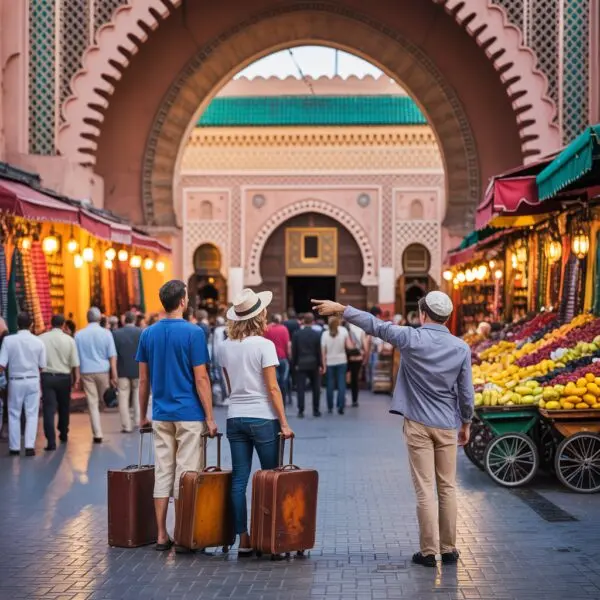
Morocco welcomes over 13 million international tourists each year, making it one of Africa’s most popular destinations. But is Morocco safe for travelers in 2026? The short answer is yes – Morocco is generally safe, and millions of visitors from the US, UK, Europe, and around the world travel there without incident. This guide covers what you need to know about safety and travel logistics, including Morocco’s visa requirements.
Morocco Safety Overview 2026
Major travel authorities provide the following safety ratings for Morocco:
- US State Department: Level 1 – Exercise Normal Precautions (the lowest risk level)
- UK FCDO: Normal travel precautions for most of Morocco; heightened caution near the Algerian border and in parts of the Western Sahara region
- Australian DFAT: Exercise normal safety precautions
- Canadian Government: Exercise normal security precautions
These ratings reflect that Morocco is a stable, relatively safe country for tourism. Crime does exist, as in any country, but violent crime targeting tourists is rare.
Common Safety Concerns for Tourists in Morocco
Petty Crime (Pickpocketing and Scams)
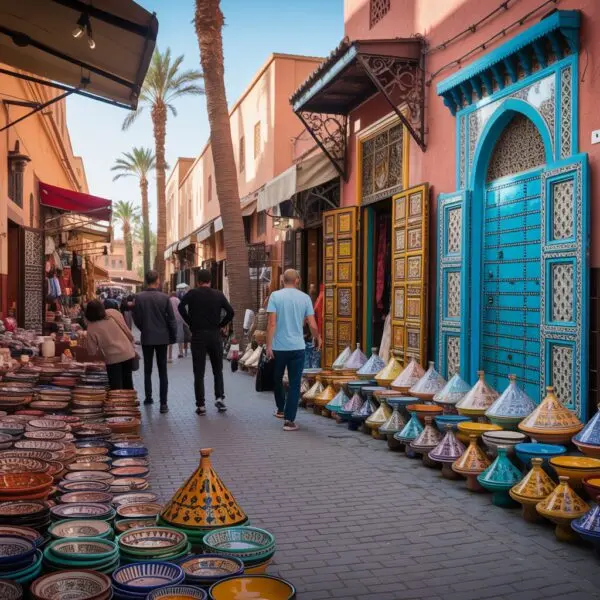
The most common issue tourists face in Morocco is petty crime, particularly in busy medinas (old city areas) and tourist hotspots. Common scams include:
- Fake guides: Unofficial “guides” who offer to help you find a destination and then demand payment or lead you to commission-earning shops
- Carpet shop pressure: Being lured into carpet shops where high-pressure sales tactics are used
- Overcharging taxis: Taxis that don’t use the meter and overcharge tourists – always confirm the fare or insist on the meter
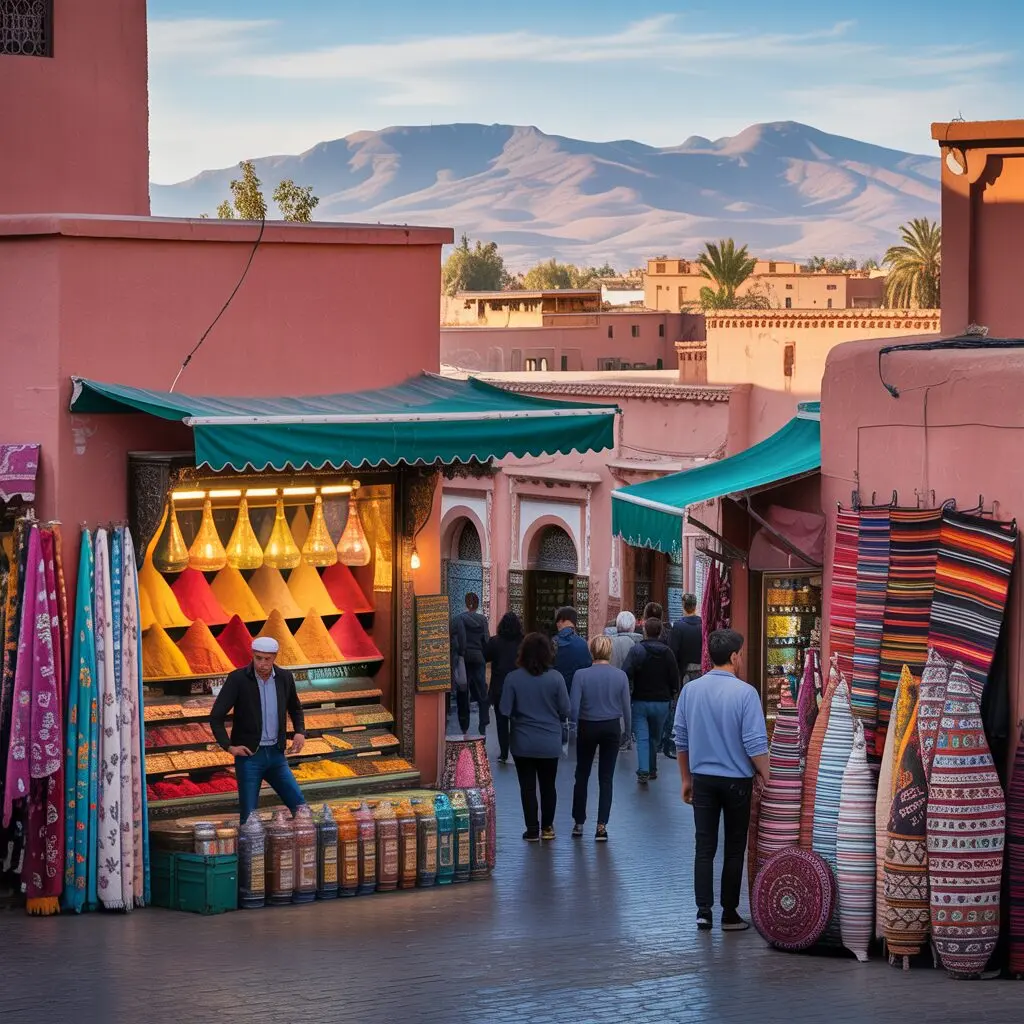
- Pickpocketing: Most common in crowded souks, major squares (especially Jemaa el-Fna in Marrakech), and public transport
Prevention tips: Use official licensed guides, agree on taxi fares in advance, keep valuables secure and out of sight, and be politely but firmly assertive when declining unwanted assistance.
Harassment
Some tourists – especially solo female travelers – report verbal harassment in certain areas. This is more common in some cities than others. Dressing modestly (covering shoulders and knees) and walking confidently can reduce unwanted attention. Marrakech and Fes have cracked down on harassment of tourists significantly in recent years.
Road Safety
Road conditions and driving standards vary. Main highways are generally good; rural mountain roads can be challenging. Exercise caution when driving, and be aware that motorbikes and pedestrians often share road space unexpectedly.
Safest and Most Dangerous Areas in Morocco
Safe for Tourism
- Marrakech – central tourist areas are well-policed
- Casablanca – main business and transportation hub
- Agadir – modern beach resort city with lower crime rates
- Essaouira – relaxed coastal city, very safe
- Chefchaouen – Blue City, extremely popular and safe
- Rabat – capital city with excellent security
- Fes – culturally rich, exercise normal city caution in medina
Areas Requiring Extra Caution
- Western Sahara region – disputed territory; the UK FCDO advises against all but essential travel to certain areas near the Algerian border
- Remote desert and mountain border areas – less infrastructure and emergency services; travel with an organized group or experienced guide
- Morocco-Algeria border – closed to travelers; do not attempt to cross
Morocco Visa and Entry Requirements: Safety and Compliance
One safety aspect often overlooked is having the correct documentation. Traveling to Morocco without required documents can lead to detention and deportation. Key points:
- Most Western travelers (US, UK, EU, CA, AU) do NOT need a visa – but must carry a valid passport
- Visa-required travelers must obtain the Morocco eVisa or embassy visa before travel – there is no visa on arrival
- Never overstay your visa or visa-free period – this is a legal violation in Morocco
- Keep your passport and eVisa copy safe while in Morocco
For full entry requirements, see our Morocco Entry Requirements 2026 guide. If you need to apply for a visa, visit our How to Apply for Morocco eVisa page.
Health and Medical Safety in Morocco 2026
- Tap water: Not recommended for drinking in most areas. Drink bottled water; it is cheap and widely available
- Food safety: Moroccan food is generally safe. Avoid raw vegetables washed in tap water at low-end establishments and stick to cooked foods in street food settings
- Medications: Pharmacies are well-stocked in cities. Many common medications are available over the counter that require prescriptions elsewhere
- Medical care: Private clinics in major cities offer good care. Rural areas have limited medical facilities – evacuation insurance is advisable for remote travel
- Travel insurance: Essential. The GHIC (UK) and standard US health insurance are generally not accepted in Morocco
Cultural Sensitivity and Legal Considerations
Understanding Moroccan laws and customs prevents uncomfortable or dangerous situations:
- Public displays of affection: Frowned upon and can attract police attention between unmarried couples. Be discreet
- LGBTQ+ travel: Same-sex relationships are illegal in Morocco. LGBTQ+ travelers should exercise significant discretion. Consult your government’s travel advisory for specific guidance
- Alcohol: Legal but only sold in licensed shops, bars, and hotels. Drinking on the street is illegal and deeply offensive. Do not attempt to bring large quantities into the country
- Ramadan: During Ramadan, eating, drinking, or smoking in public during daylight hours is illegal for all people (including non-Muslims) in Morocco. Restaurants in tourist areas typically remain open
- Photography: Always ask permission before photographing people. Do not photograph military or police facilities, airports, or government buildings
- Drugs: Morocco has strict drug laws. Cannabis (kif) grows in the Rif Mountains and may be offered to tourists – refuse firmly. Drug possession carries severe prison sentences
Emergency Contacts in Morocco
| Service | Number |
|---|---|
| Police (urban) | 19 |
| Gendarmerie (rural) | 177 |
| Ambulance/Fire | 15 |
| Tourist Police (Marrakech) | +212 524-384-601 |
| US Embassy (Rabat) | +212 537-637-200 |
| UK Embassy (Rabat) | +212 537-633-333 |
Final Verdict: Is Morocco Worth Visiting in 2026?
Absolutely. Morocco offers an extraordinary blend of culture, history, nature, and cuisine. The vast majority of visitors have wonderful, trouble-free experiences. By following standard travel safety practices – keeping valuables secure, respecting local customs, and having proper documentation – you will almost certainly enjoy Morocco without incident.
For more practical information, see our Morocco eVisa FAQ and our full Eligible Countries guide to confirm your visa status before booking.
Frequently Asked Questions: Morocco Safety 2026
Is Morocco safe for solo female travelers?
Yes, with appropriate precautions. Morocco is visited by thousands of solo female travelers each year without incident. Dressing modestly, being assertive when unwanted attention occurs, staying in reputable accommodations, and avoiding walking alone late at night in poorly lit areas are the main precautions recommended. Major tourist cities are generally safe during the day.
Is Morocco safe for families with children?
Yes. Morocco is very family-friendly. Moroccan culture is warm toward children. Beach resorts like Agadir are particularly well-suited for families. Ensure children have appropriate vaccinations and take normal hygiene precautions with food and water.
Are there any travel warnings for Morocco in 2026?
As of 2026, the US, UK, and other major governments advise “normal precautions” for most of Morocco. There are enhanced advisories for areas near the Algerian border and parts of Western Sahara. Always check your government’s official travel advisory for the latest information before departing.