Morocco Travel Guide 2026: Visas, Costs, and Best Time to Visit
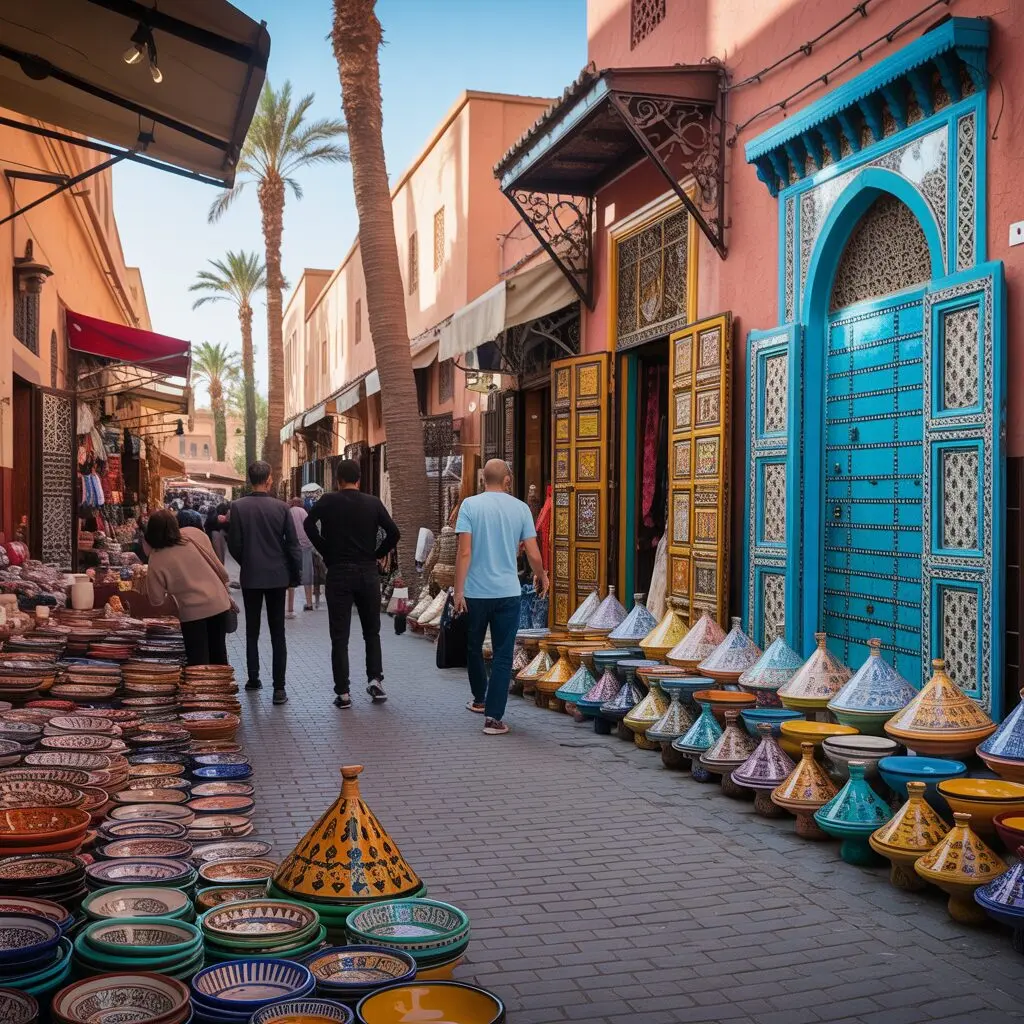
Morocco is a country that captivates the moment you arrive – the colors, the aromas, the sounds of the call to prayer echoing across ancient medinas. Whether you’re drawn by the Sahara Desert, the blue streets of Chefchaouen, or the vibrant chaos of Marrakech’s souks, this comprehensive Morocco travel guide for 2026 covers everything you need to plan your trip – from visa requirements to budget and the best time to visit.
Morocco Visa Requirements 2026: Quick Answer
Before anything else: do you need a visa to visit Morocco?
- US, UK, EU, Canada, Australia, Japan: No visa needed – enter freely for up to 90 days
- Some nationalities: Apply for the Morocco eVisa online before travel
- Other nationalities: Traditional embassy visa required before departure
The vast majority of Western tourists enter Morocco without any visa. Full details on our Morocco eVisa Eligible Countries page. If you need to apply for an eVisa, see our step-by-step application guide.
Best Time to Visit Morocco
Morocco is a year-round destination, but the best time to visit depends on what you want to experience:
| Season | Months | Weather | Crowds | Best For |
|---|---|---|---|---|
| Spring | March – May | Warm, pleasant (15-25°C) | Moderate | Hiking, sightseeing, Marrakech |
| Summer | June – August | Very hot inland (35-45°C), cooler coast | High | Coastal beaches (Agadir, Essaouira) |
| Autumn | September – November | Warm to mild (15-30°C) | Moderate | Desert, trekking, Fes |
| Winter | December – February | Cool to cold inland (5-15°C), snow in Atlas | Low (except Christmas) | Skiing (Oukaimeden), Marrakech city trips |
Sweet spots: March-May and September-November offer the most comfortable temperatures for general travel. These are widely considered the best times to visit Morocco.
Ramadan Considerations
Ramadan falls at different times each year. In 2026, Ramadan is expected to begin around late February. During Ramadan, restaurants are less accessible during the day, alcohol is harder to find, and business hours change. However, experiencing the evening Iftar (breaking of the fast) is a highlight for many visitors.
Top Destinations in Morocco 2026
1. Marrakech
Morocco’s most visited city. Must-see: Jemaa el-Fna square, the souks, Bahia Palace, Majorelle Garden, and the Koutoubia Mosque. Spend at least 3 days to do it justice.
2. Fes (Fez)
The cultural capital of Morocco. Home to the world’s oldest continuously operating university (University of al-Qarawiyyin, founded in 859 AD) and one of the world’s largest car-free urban areas. The tanneries, Bou Inania Madrasa, and Al-Attarine Madrasa are unmissable.
3. Chefchaouen
The famous “Blue City” nestled in the Rif Mountains. Photogenic, relaxed, and cooler than inland cities. Best visited for 1-2 nights.
4. Sahara Desert (Merzouga)
The camel trek to watch the sunset over the Erg Chebbi dunes and a night in a desert camp is one of the most memorable experiences in Morocco. Usually combined with a drive through the Draa Valley and Dades Gorge.
5. Casablanca
Morocco’s economic hub and main international gateway. The Hassan II Mosque (one of the world’s largest) is a must-see. Modern and cosmopolitan compared to other Moroccan cities.
6. Essaouira
A breezy Atlantic coastal city with a UNESCO-listed medina, ramparts, and a relaxed hippie vibe. Perfect for a couple of days after the intensity of Marrakech.
7. Atlas Mountains
Incredible trekking, Berber villages, and the gateway to the Sahara. Mount Toubkal (4,167m), the highest peak in North Africa, is a popular multi-day trek.
Morocco Budget Guide 2026
Morocco caters to all budgets. Here’s what to expect:
Budget Traveler ($30-60 per day)
- Accommodation: hostel dorm or basic guesthouse ($10-20/night)
- Food: street food, local markets, basic restaurants ($5-10/day)
- Transport: buses, shared grand taxis ($10-20/day for intercity)
- Activities: free medina walks, markets, public mosques (exterior)
Mid-Range Traveler ($80-150 per day)
- Accommodation: mid-range riad or guesthouse ($40-80/night)
- Food: sit-down restaurants, cafes, occasional splurge ($20-40/day)
- Transport: private taxi, occasional domestic flights
- Activities: paid museums, guided tours, hamam visit
Luxury Traveler ($200+ per day)
- Accommodation: boutique luxury riad or 5-star hotel ($150-500+/night)
- Food: upscale restaurants, rooftop dining ($50-100+/day)
- Transport: private driver or rental car
- Activities: private tours, exclusive desert camps, spa treatments
Getting Around Morocco
By Train (ONCF)
Morocco has an excellent national rail network connecting Casablanca, Rabat, Fes, Meknes, Marrakech, Tangier, and Oujda. Comfortable, punctual, and affordable. The high-speed Al Boraq train connects Casablanca and Tangier in 2h10m.
By Bus (CTM, Supratours)
CTM and Supratours run comfortable long-distance buses throughout Morocco, including routes not served by trains (Agadir, Essaouira, Merzouga, Chefchaouen).
By Grand Taxi
Shared long-distance taxis (usually Mercedes sedans) connect smaller towns and supplement train/bus routes. Negotiate the price in advance or fill the taxi with the standard number of passengers for a fair rate.
By Rental Car
Gives the most flexibility, especially for visiting the Atlas Mountains, Sahara, and rural areas. An international driving permit is recommended alongside your national licence.
Morocco Practical Information 2026
| Info | Details |
|---|---|
| Capital | Rabat |
| Largest City | Casablanca |
| Currency | Moroccan Dirham (MAD) – approx. 10 MAD = 1 USD |
| Language | Arabic, Amazigh (official); French widely spoken |
| Religion | Islam (predominantly Sunni) |
| Time Zone | GMT+1 year-round |
| Electricity | 220V, Type C/E plugs (European standard) |
| Internet | Good in cities; 4G available; free WiFi in most hotels/cafes |
| Phone | Country code +212; local SIM cards available cheaply |
Responsible Travel Tips for Morocco 2026
- Bargain respectfully – Haggling in souks is expected but be fair. The initial price is high, but accepting too low a price can undercut artisan livelihoods
- Dress modestly – Especially outside tourist areas. Cover shoulders and knees in medinas and near mosques
- Ask before photographing people – Always request permission. Some people, especially in rural areas, may prefer not to be photographed
- Support local businesses – Stay in locally owned riads, eat at family-run restaurants, buy crafts directly from artisans
- Respect religious sites – Non-Muslims are not permitted inside most mosques in Morocco (Hassan II Mosque in Casablanca is a notable exception)
- Environmental responsibility – Do not litter in natural areas (deserts, mountains). Morocco’s natural landscapes are precious and increasingly under pressure from tourism
Morocco Travel Resources
- Morocco eVisa FAQ – All your visa questions answered
- Morocco Entry Requirements 2026 – Passports, customs, and health requirements
- Is Morocco Safe in 2026? – Safety tips and travel advisory ratings
- Morocco eVisa Requirements – Documents needed for visa application
Frequently Asked Questions: Morocco Travel Guide 2026
How many days do I need to visit Morocco?
A minimum of 7-10 days is recommended to see the highlights. A 2-week trip allows you to cover Marrakech, Fes, a desert excursion, and a coastal city like Essaouira or Agadir. Longer stays reward you with more remote areas like the Rif Mountains, Draa Valley, or the Atlantic coast south of Agadir.
What is the currency in Morocco and should I bring cash?
Morocco uses the Moroccan Dirham (MAD). It is a closed currency that cannot be purchased outside Morocco. Exchange foreign currency (USD, GBP, EUR) at airports, banks, or authorized bureaux de change upon arrival. ATMs are widely available in cities. Cash is essential for souks, taxis, and small restaurants. Credit cards are accepted in mid-range and upscale hotels, restaurants, and some shops.
What should I pack for Morocco?
Lightweight, modest clothing (covering shoulders and knees for cultural respect and practical sun protection); comfortable walking shoes for uneven medina streets; a light jacket for cool evenings and mountain areas; sun cream and sunglasses; a universal plug adapter (Type C/E); any prescription medications; and a small amount of MAD for immediate expenses upon arrival.
Is it easy to travel between cities in Morocco?
Yes. Morocco has an excellent inter-city transport network. The ONCF national railway connects major cities efficiently. CTM and Supratours buses cover routes not served by trains. The Al Boraq high-speed train (Casablanca to Tangier in 2h10m) is a highlight. For the most flexibility in rural and desert areas, renting a car or hiring a private driver is recommended.